Mold Remediation in Manchester, NH

We contain the area, remove mold growth and the materials it damaged, clean what remains, and dry the space so mold does not come back.

  • Homes and businesses
  • Water, mold, sewage, fire and smoke
  • Manchester and nearby towns
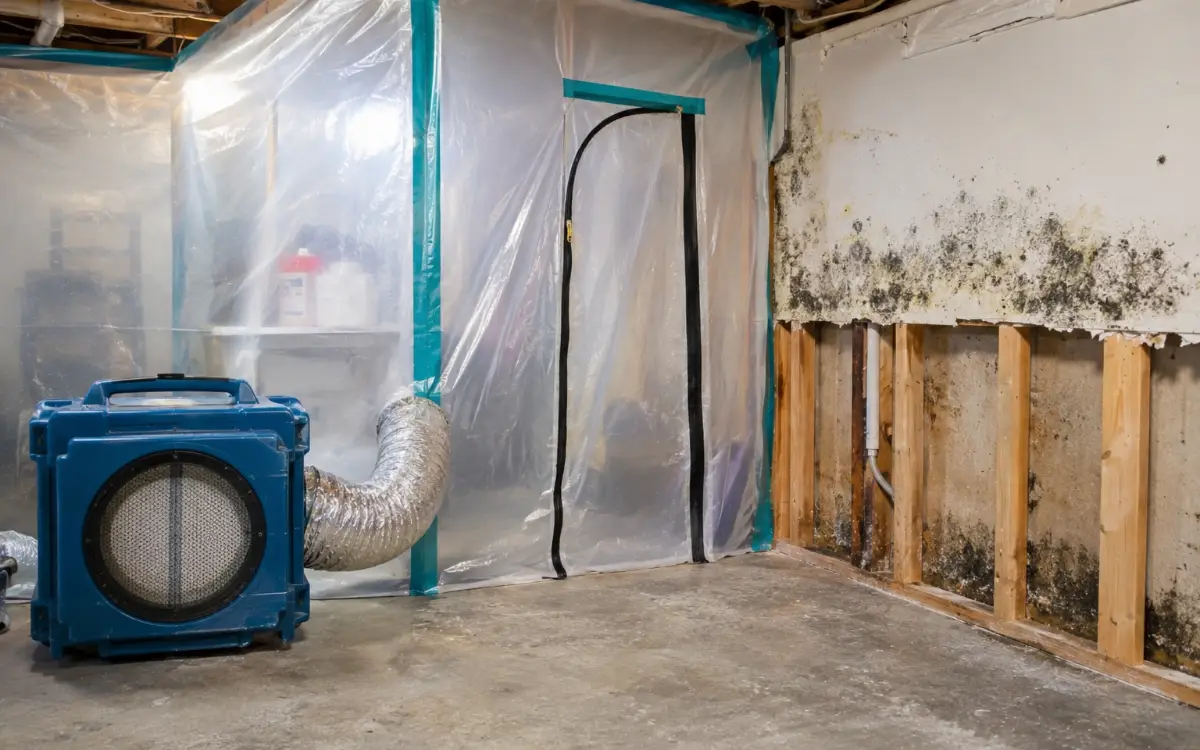
Plastic containment and air scrubber set up for mold remediation in Manchester, NH

OUR WORK

Mold Remediation Work Examples

Examples of the type of mold remediation work we handle.

Plastic containment and air scrubber set up for mold remediation in Manchester, NH
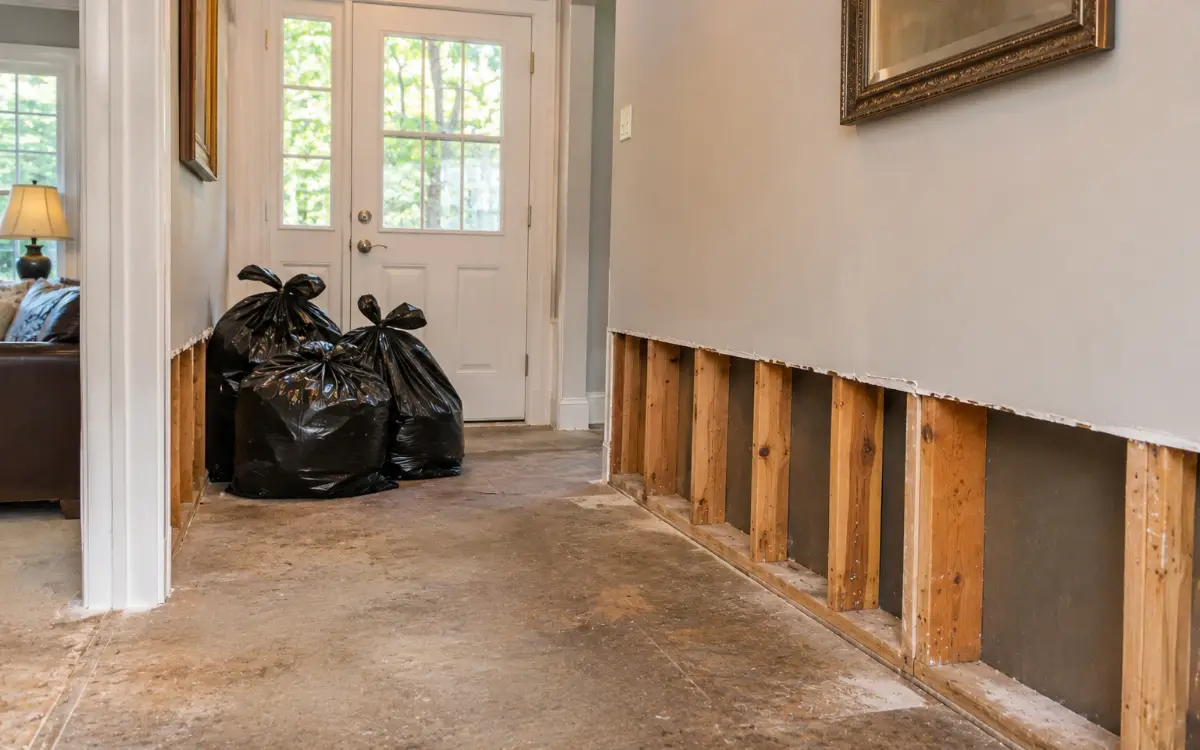
Wet drywall removed and debris bagged during water damage cleanup in Manchester, NH
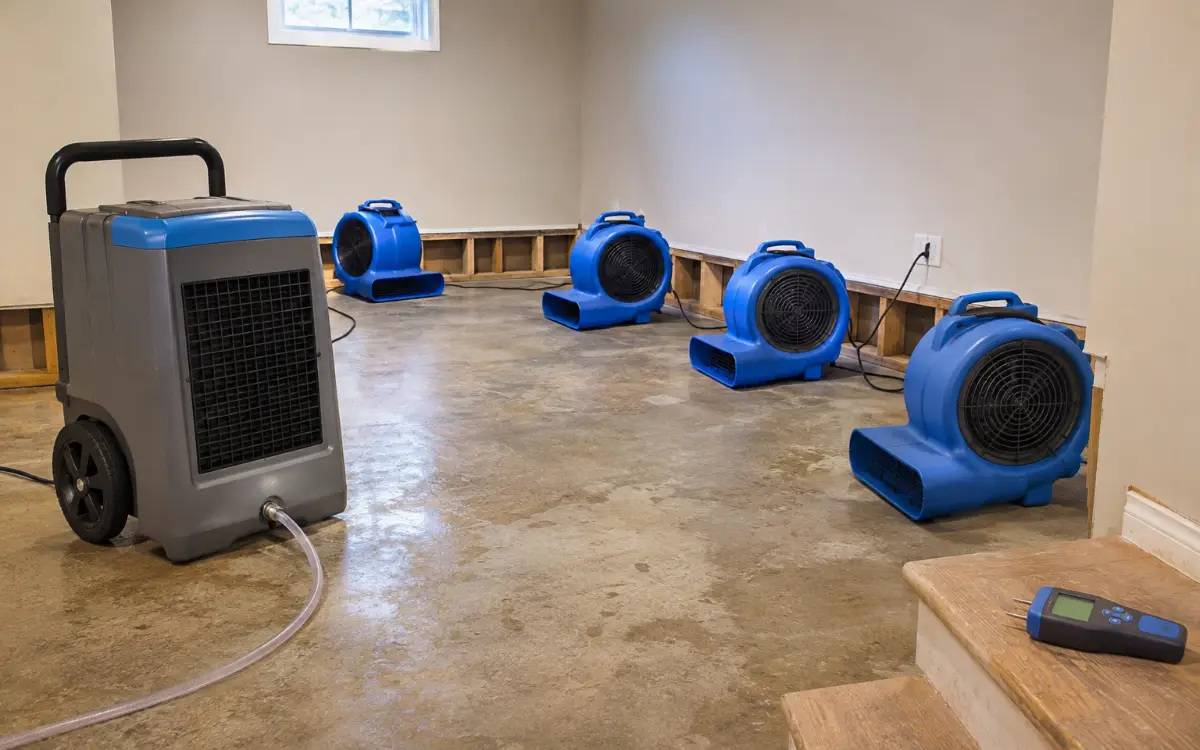
Dehumidifier and air movers set up for structural drying in Manchester, NH

Mold Removal After Water Damage

Mold grows where there is moisture. Leaks that went unnoticed, damp basements, wet carpet that was never dried and condensation in attics are common places we find it in Manchester homes. Mold remediation means removing the growth, cleaning the area and fixing the moisture problem so it does not return.

The EPA notes that the key to mold control is moisture control. Cleaning mold without drying the area is a short term fix. That is why our mold remediation work goes hand in hand with drying.
Wet drywall removed and debris bagged during water damage cleanup in Manchester, NH

Our Mold Remediation Process

  1. Find the moisture source. We look at what is feeding the growth, such as a leak, a damp basement or poor ventilation.
  2. Contain. Plastic sheeting and negative air pressure keep spores from spreading to clean parts of the house.
  3. Filter the air. HEPA air scrubbers run during the work.
  4. Remove. Moldy drywall, insulation, carpet and other porous materials are removed and bagged.
  5. Clean. Framing and hard surfaces are HEPA vacuumed, cleaned and treated.
  6. Dry. The area is dried and checked with moisture readings before rebuilding.

Where Mold Grows in Manchester Homes

  • Basement walls, framing and stored boxes after flooding or high humidity
  • Behind drywall where a pipe leaked slowly
  • Bathroom ceilings and walls without good ventilation
  • Attic sheathing from roof leaks, ice dams or poor ventilation
  • Under sinks and behind appliances

Health and Safety

Mold can cause allergic reactions and breathing problems in sensitive people. The EPA advises that larger areas of growth, roughly more than 10 square feet, be handled with professional guidance. Avoid disturbing mold yourself, do not run fans that blow air across moldy materials, and keep people with asthma or allergies away from the area.

Small Spots vs. Larger Problems

A small spot on a bathroom tile can be cleaned with soap and water. Mold on drywall, insulation, carpet or framing, mold that returns after cleaning, or mold that comes with a musty smell through the house usually needs remediation.

After remediation, our water damage repair team rebuilds the removed materials.

Mold Remediation FAQs

Can mold come back after remediation?

Mold returns if moisture returns. Fixing the water source and keeping humidity down are the keys to preventing regrowth.

Can I paint over mold?

No. Paint does not stop mold. The growth and affected porous materials need to be removed and the area dried.

How long does mold remediation take?

A small area can take a day or two. Larger areas with containment and drying take longer.

Is bleach good for killing mold?

Bleach is not recommended for porous materials like drywall and wood. Removal, cleaning and drying are more effective.

Need mold remediation in Manchester?

Our team serves Manchester and nearby Hillsborough County. Call us today to schedule restoration service.

Call Now (555) 555-0100